Written by Dr. Vishal Parmar, Pediatrician & Neonatologist (MBBS, DCH, MRCPCH UK, Fellowship in Neonatology) and Chief Medical Officer, NeoKidsPro. Last updated 11 November 2026.
Quick answer
- Regular packaged snacks can push out the meals that give a child protein, fibre, iron and calcium. The child is full, but not fed.
- India now has undernutrition and childhood obesity side by side, sometimes in the same family.
- Countries such as Chile and Canada use front-of-pack warning labels. India’s rules are still awaiting a Supreme Court decision.
- Parents can start tonight with four small changes, listed below.
The candy aisle is easier to find than the medicine
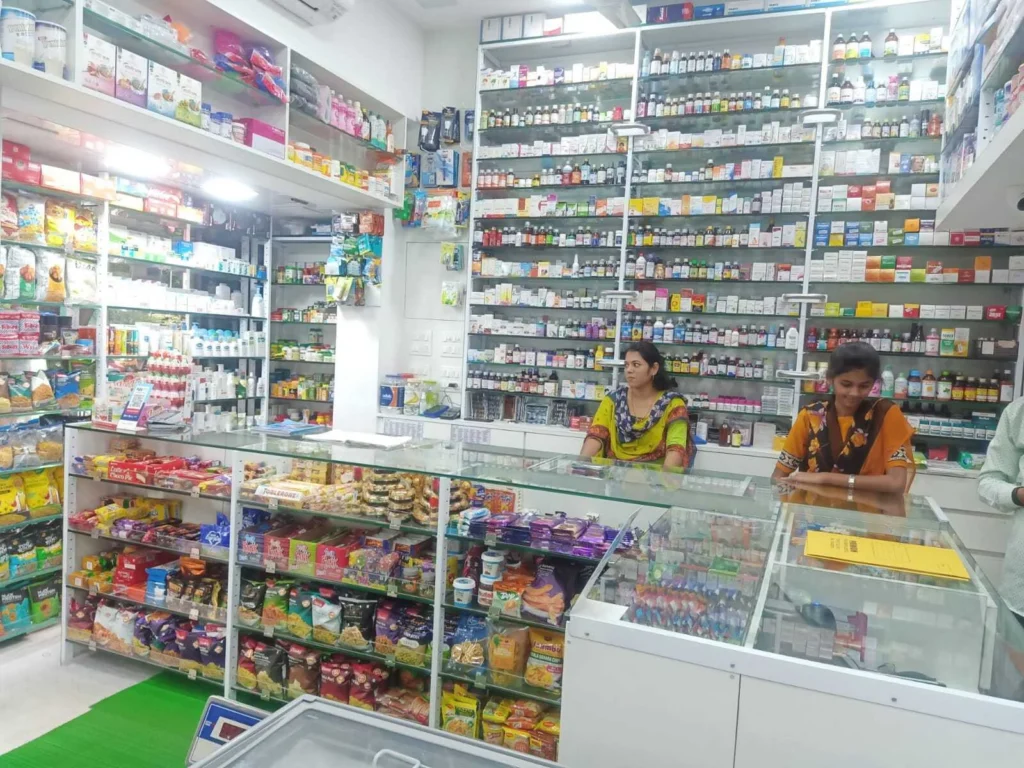
There’s a medical store around the corner in a particular neighbourhood that has always caught my attention. Not necessarily because of the medicines it stocks, but because of everything else it seems to have room for.
Finding the medicine you’re looking for can sometimes be a challenge, but finding the chocolate you have been craving? That’s almost guaranteed.
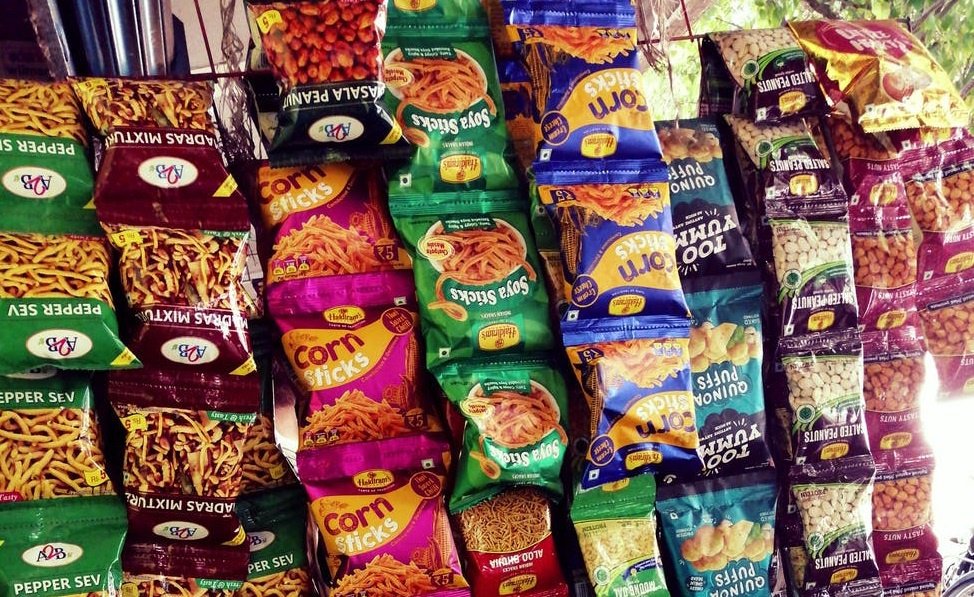
The store resembles a little candyland. Rows of chocolates, colourful confectionery and packets of munchies occupy the shelves, many of them positioned on the lower racks, right at a child’s eye level and within easy reach. It’s almost as though the arrangement has been designed to make sure a child notices them before anything else.
And inevitably, the familiar scene unfolds. A child spots a packet, asks for it, insists on having it, and sometimes persuades an accompanying parent to give in. A small ₹5 or ₹10 packet seems like a harmless purchase. After all, what’s the harm in one little treat?
But what happens when that little treat becomes a daily habit? When one packet becomes two, when chocolates become the preferred afternoon snack, and when packaged munchies begin replacing foods that would otherwise provide meaningful nutrition?
In my clinical work I see more children, and parents increasingly tell me they are worried about their children’s eating habits and food preferences. Picky eating, excessive snacking and an overwhelming preference for packaged foods are concerns many families are trying to navigate.
These challenges have several contributing factors, but it is worth looking at the environment children are growing up in. From colourful packaging and strategic placement of snacks to advertisements and the growing availability of inexpensive, ready-to-eat products, children are constantly surrounded by cues encouraging them to consume more.
The bigger question is this: are we making nutritious food appealing and accessible enough, or are we making it increasingly difficult for children to resist everything else?
How do packaged snacks affect a child’s nutrition?
Here is the part that worries me most, and it isn’t the sugar or the salt on its own. A child’s stomach is small. A packet of chips or a chocolate at four in the afternoon fills a good share of it. By dinner the roti, the dal, the sabzi look boring, and half of it comes back untouched.
The snack didn’t just add calories. It took the place of a meal that had protein, fibre, iron and calcium in it. The child is full, but not fed.
Taste adapts too. Children who get used to intensely sweet and salty flavours find plain home food dull, and many parents then label them “picky eaters”. Often the palate has simply been trained by the packet.
What do the numbers say about children’s nutrition in India?
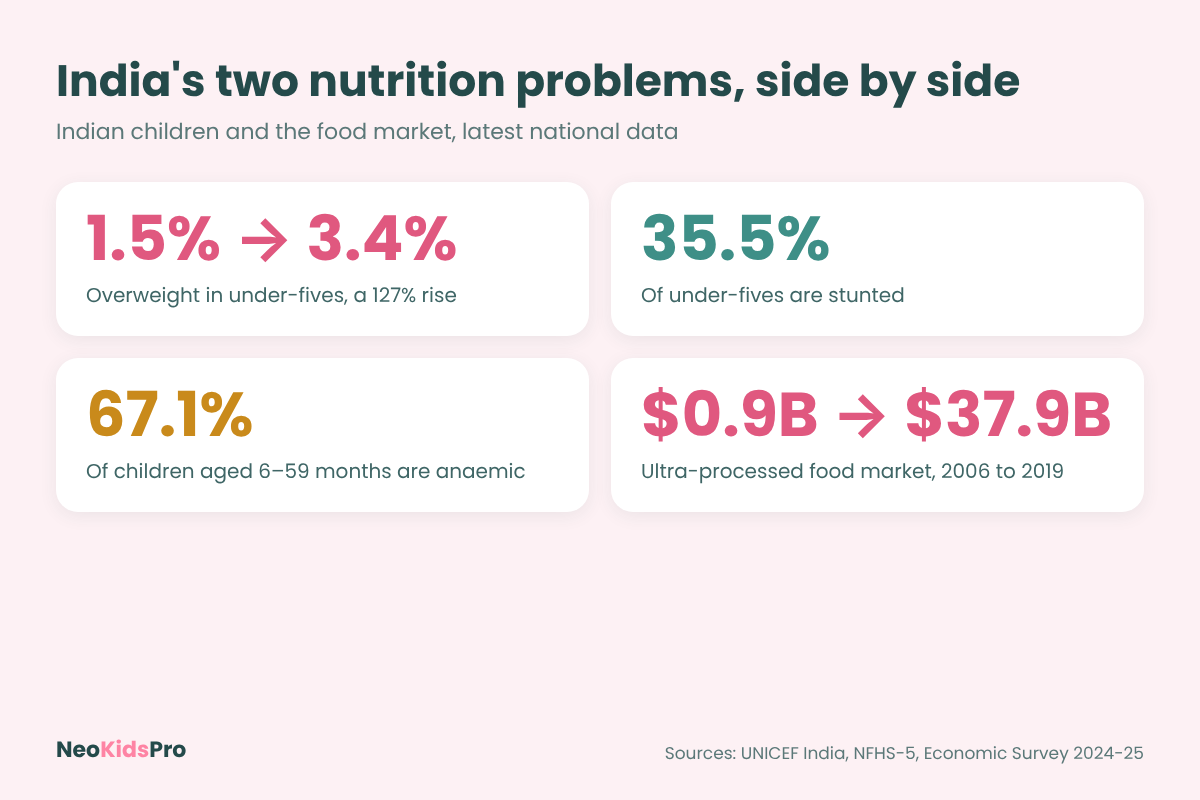
The numbers say this is happening at scale. Overweight among Indian children under five has gone from 1.5 per cent to 3.4 per cent between NFHS-3 and NFHS-5, a rise of 127 per cent (UNICEF India). The Economic Survey 2024-25, as quoted by UNICEF, puts the ultra-processed food market at USD 900 million in 2006 and USD 37.9 billion in 2019.
And this is the same country where, in the same survey, 35.5 per cent of children under five are stunted and 67.1 per cent of those aged 6 to 59 months are anaemic (ThePrint). Undernutrition and obesity are now showing up in the same neighbourhoods, sometimes in the same family.
Which “healthy” foods and drinks are secretly sugary?
Sugar deserves its own mention, because it hides so well. The obvious suspects are chocolates, toffees and cold drinks. The sneaky ones are the fruit drinks, flavoured milk, sweetened cereals and “health” drinks that parents buy precisely because they look wholesome.
A colourful pack that says “with added vitamins” feels like a good decision at the shop. Turn it over and the sugar is often sitting near the top of the ingredients. Most parents will never turn it over, and honestly, with a child pulling at one arm and a phone in the other hand, I wouldn’t expect them to.
The cost of this shows up later. The ICMR-NIN roadmap on childhood obesity lists early-onset type 2 diabetes, high blood pressure, abnormal cholesterol and fatty liver among the complications now being seen in children. These used to be adult problems. They aren’t anymore.
What have other countries done about it?
The fix that keeps coming up is simple: tell people clearly, on the front of the pack, when a food is high in sugar, salt or saturated fat. This is called front-of-pack labelling, or FOPL.
Chile went first, in 2016. Foods high in sugar, sodium, saturated fat or calories carry a black stop-sign warning. The same law bans marketing of those foods to children and keeps them out of schools. Two years in, purchases of sugary drinks with a warning label had fallen by 23.7 per cent (PLOS Medicine). Children saw 73 per cent fewer TV ads for unhealthy food and drinks (Global Food Research Program). And in June 2026, a Lancet study of more than 300,000 Chilean children aged 4 to 6 reported lower excess weight after the law came in (HealthDay).
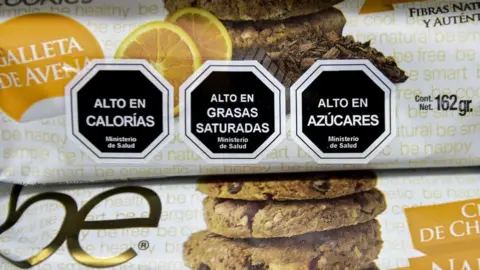
What I like most is a smaller detail. Mothers in Chile described children telling them not to buy a product because it carried the black label and the teacher wouldn’t accept it (FoodNavigator-LATAM). The child became part of the solution.
Canada made its symbol mandatory on 1 January 2026: a black-and-white magnifying glass on prepackaged foods high in saturated fat, sugars or sodium (Packaging Insights). A Quebec research group found that about 60 per cent of the processed foods it studied would qualify for the symbol (Observatoire INAF). That number tells you how much of the shelf we are talking about.
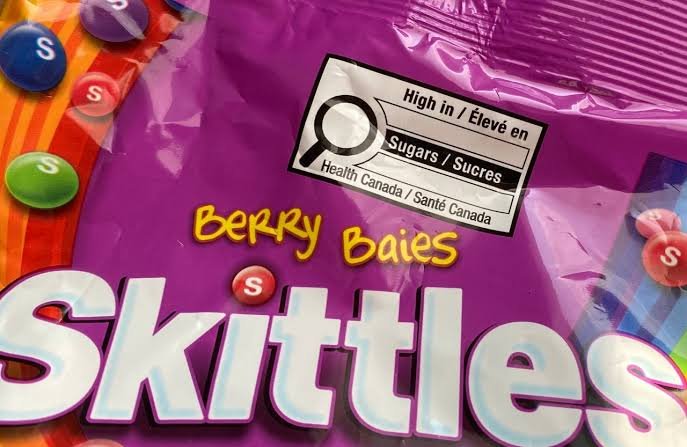
Peru, Uruguay and Israel followed with their own warning systems in 2018. These are very different countries, and they reached the same conclusion.
Does India have warning labels on packaged food yet?
Not yet. The Delhi High Court asked FSSAI to frame rules on foods high in fat, sugar and salt back in 2013. A draft came in 2019. Another, proposing a star-style Indian Nutrition Rating, followed in 2022 (USDA GAIN report). Neither became a rule.
The Supreme Court has now stepped in more than once. In February 2026 it asked FSSAI to seriously consider warning labels (LiveLaw). In August it asked whether the regulator was bowing to corporate pressure (Bar & Bench). Later that month FSSAI told the court it proposes a red hexagon warning label for packaged foods high in fat, sugar or salt (Bar & Bench). The Court welcomed the proposal on 10 September but asked FSSAI to answer detailed questions on timelines and nutrient thresholds. On 28 September it reserved its judgment and questioned why FSSAI needed a year to roll out labels (Moneylife). As of 11 November 2026, I could not find a final verdict.
Meanwhile the children are not waiting. The World Obesity Atlas figure quoted in the ICMR roadmap is about 4.1 crore Indian children aged 5 to 19 who are overweight or obese, the second-highest number in the world. UNICEF expects more than 2.7 crore Indian children and adolescents to be living with obesity by 2030, around 11 per cent of the global total.
A Lancet series on ultra-processed foods published last November was blunt about what India needs: clear legal definitions, limits on advertising during children’s viewing hours, mandatory warning labels, and no ultra-processed foods in schools (Moneylife). ICMR-NIN’s own roadmap asks for the same package, along with taxes on high-fat, sugar and salt foods.
Will a warning label fix this on its own?
I want to be fair here. A warning on a pack will not make a child eat dal. Chile’s results came from a package: labels, limits on advertising to children, and rules for school food, all together. Reformulation by companies explains part of the change as well. That is actually a good outcome, because it means some products got better.
There is also a genuine debate in India about how to design the label, which nutrients should trigger it, and whether it should be calculated per serve or per 100 grams. The Supreme Court has pushed back on the industry’s per-serve argument and has asked pointed questions about thresholds. These are details that deserve careful work. They are not a reason for another decade of delay.
What can parents do tonight?
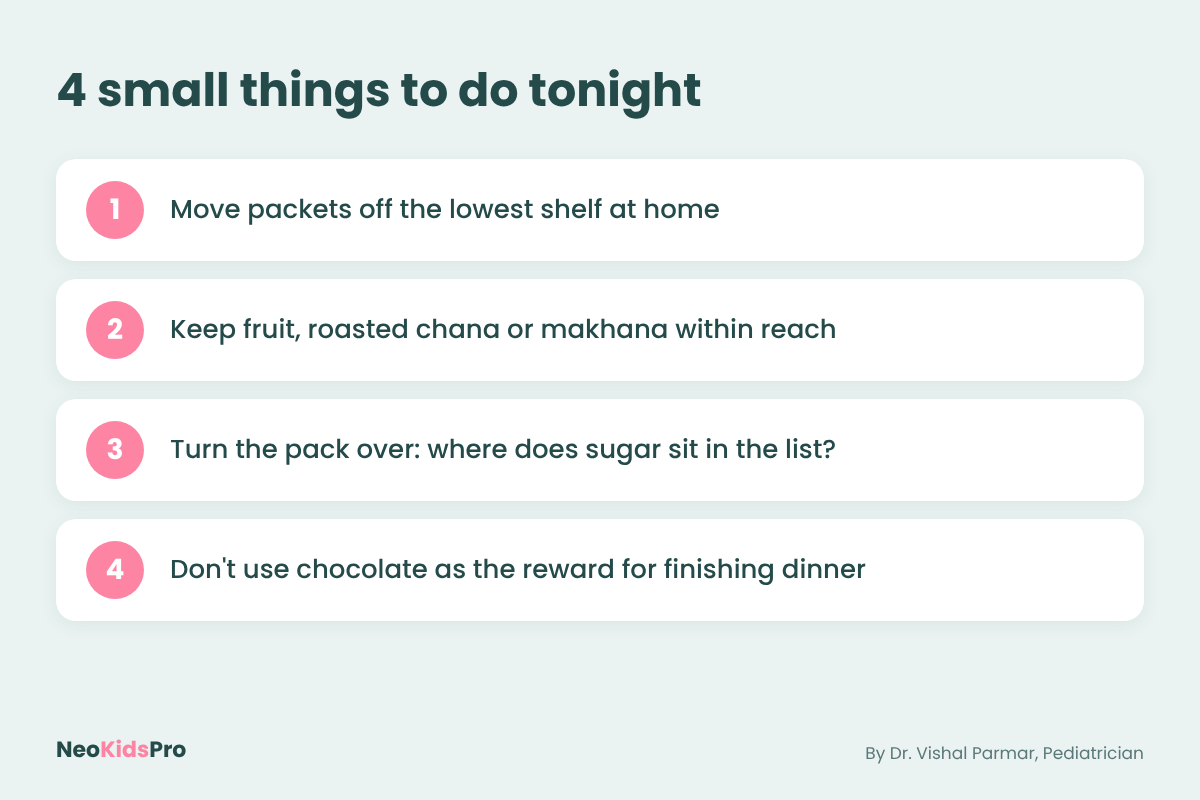
Until the rules change, there are small things you can do at home:
- Flip the shelf. Keep packets off the lowest shelf at home, just as shops keep them at a child’s eye level.
- Make the good option the easy one. Put fruit, roasted chana or makhana where your child can reach them.
- Turn the pack over. Look at where sugar sits in the ingredients list. The higher it is, the more of the product it is.
- Skip the chocolate reward. Try not to use chocolate as the prize for finishing dinner, because it teaches the child which food is the prize.
When should you talk to a pediatrician about your child’s eating?
Most children go through fussy phases. It is worth getting advice if you notice any of these:
- Your child refuses most home meals for several weeks and fills up on snacks or sweet drinks.
- Weight gain has slowed or stopped, or your child is gaining weight much faster than height.
- Your child looks pale or tired, or gets tired easily, which can be a sign of anaemia.
- Constipation or frequent tooth decay keep coming back.
- Mealtimes have become a daily battle for the whole family.
A pediatrician can check growth against standard charts, look for anaemia or other causes, and build a practical plan for your child’s age and food habits. NeoKidsPro doctors do this by video across India. You can also try the free Child Wellness Scan (ages 0 to 18), or book an online pediatric consultation.
Why this matters now
Every month of delay is another batch of children forming eating habits around a shelf that was designed to sell to them. Habits formed at six are hard to undo at sixteen. Parents deserve to know what is in the packet in the three seconds they have at the counter, and children deserve a food environment that isn’t stacked against them.
So back to the little shop around the corner. The candy was easy to find. I’d like us to make the healthy choice just as easy to find, and the unhealthy one honest about what it is.
Frequently asked questions
Are packaged snacks bad for children?
An occasional treat is not a problem. The concern is when packets become a daily habit and take the place of meals that provide protein, fibre, iron and calcium.
Why does my child refuse home food but happily eat packaged snacks?
A small stomach fills up quickly, so a snack close to mealtime can leave little room for dinner. Intensely sweet and salty flavours can also make plain home food seem dull. Offering snacks at fixed times, away from meals, usually helps. If refusal is persistent, speak to your pediatrician.
How much sugar can a child have in a day?
The World Health Organization advises keeping free sugars below 10 per cent of total daily energy, with additional benefit below 5 per cent. Your pediatrician can help translate this for your child’s age.
What is front-of-pack labelling?
It is a clear symbol or warning on the front of a packaged food that shows when it is high in sugar, salt or saturated fat. Chile, Canada, Peru, Uruguay and Israel use versions of it.
Does India have front-of-pack warning labels yet?
Not yet. As of 11 November 2026, FSSAI has proposed a red hexagon warning label, and the Supreme Court reserved its judgment on 28 September 2026. I could not find a final verdict.
When should I take my child to a pediatrician about eating habits?
See a doctor if your child refuses most meals for weeks, is not gaining weight well or is gaining too fast, looks pale or tired, or if mealtimes have become a constant struggle.
Sources
- UNICEF India: Overweight and obesity rising across all ages
- ThePrint: Ultra-processed foods and regulatory gaps
- PLOS Medicine: Chile’s Law of Food Labeling and Advertising and beverage purchases
- Global Food Research Program: Chile policy findings
- HealthDay: Lancet study on Chile and childhood weight (June 2026)
- FoodNavigator-LATAM: Chile’s food regulations and eating habits
- Packaging Insights: Canada’s front-of-package symbol
- Observatoire INAF: Canada’s symbol and Quebec foods
- USDA GAIN: FSSAI draft notification, 2022
- LiveLaw: Supreme Court, February 2026
- Bar & Bench: Supreme Court, August 2026
- Bar & Bench: FSSAI proposes red hexagon warning labels
- Moneylife: Supreme Court reserves judgment, 28 September 2026
- Moneylife: Lancet series on ultra-processed foods
- ICMR-NIN childhood obesity roadmap (summary, MedBound Times)
- WHO: Healthy diet fact sheet (free sugars guidance)
This article is for general information and does not replace advice from your child’s doctor.
About the author
Dr. Vishal Parmar is a UK-qualified pediatrician and neonatologist (MBBS, DCH, MRCPCH UK, Fellowship in Neonatology) with over 15 years of clinical experience. He is Chief Medical Officer of NeoKidsPro and practises as a consultant pediatrician and neonatologist at Shri Hari Child Clinic, Mumbai.